


Flight Inflammation: A New Paradigm for Understanding the Effects of Air Travel and Jet Lag
Air travel is a regular part of the calendar of professional sports teams, and its effects on health and performance have usually been considered in terms of jet lag. This article describes the work we have done to understand what flying does to the body, what the causes of jet lag are, and how to counter both. I am the CEO of Flykitt, and before that I spent seven years running human performance and biotech strategy work for the US military, in and out of the Pentagon. Since then I have worked with professional sports teams, Olympians and senior business executives to optimise their performance, especially around travel.
Jet lag and the effects of air travel have historically been explained in quite simple terms. A person sits in an uncomfortable seat, perhaps a better one if they are a professional athlete, for a long time, breathes dry air and carries the stress of a travel day. A time change at the destination then disrupts the circadian rhythm, and these factors have been regarded as the causes. What we found is that they are not the only causes, and that there is much that can be done to help teams and individuals perform better. This article focuses on flight stress and inflammation.
Lessons from Diving
The data originate from my work with Navy SEALs, where we were trying to understand the challenges of long dive missions. Diving and flying share large pressure changes. If a diver ascends too quickly decompression sickness can occur, and historically this was discussed as a problem of nitrogen coming out of the blood as bubbles, but the research has found more than that.

When a person spends a long time underwater, the high partial pressures of the gases breathed can damage white blood cells, which increases the proportion of microparticles in the blood. These microparticles carry immune-activating factors such as interleukins. Pressure changes in diving can therefore cause inflammatory responses, with microparticles activating neutrophils and producing vascular injury after decompression (Thom et al., 2011). Data collected with the support of the Office of Naval Research suggest that inflammation may be the primary cause of decompression sickness, and not nitrogen bubbles alone. When a diver comes up too quickly the microparticles expand and produce an inflammatory response. Microparticles taken from an animal that had been rapidly decompressed and injected into a naive animal with no pressure change produced vascular injury of the same kind (Yang et al., 2012). The diving literature also shows that antioxidants, especially ascorbic acid, can limit some of these effects (Yang, Bhopale and Thom, 2015).
Pressure Change and Low Oxygen in the Aircraft Cabin
Two observations link diving to flying. The first is familiar to any certified scuba diver: one cannot fly after diving, because even somebody who has no decompression sickness can develop it once they fly. The second is that most commercial aircraft are pressurised to the equivalent of about 8,000 feet. Within 15 to 30 minutes after take-off, the passenger has undergone the pressure change of climbing an 8,000-foot mountain. Climbing mountains too quickly produces altitude sickness, and some of this may also be related to inflammation (Hartmann et al., 2000).
What we see during air travel is an inflammatory syndrome. Increased blood clotting is well known, and people can develop deep vein thrombosis. The question is whether this is simply the result of sitting for a long time, and the evidence indicates that it is not. In a crossover study, volunteers sat through an eight-hour flight, an eight-hour movie marathon and eight hours of regular activities. Clotting activation appeared in 17% of the volunteers after the flight, whereas the movie marathon did not lead to more blood clotting (Schreijer et al., 2006). Clotting is partly an inflammatory response, so the pressure change and the low oxygen of air travel appear sufficient to produce it. Stress, infection and air quality did not explain the physiology the researchers observed. As far as they could identify, the effect is limited to the consequences of the pressure environment, with hypoxia triggering systemic inflammation and platelet activation (Schreijer et al., 2010).
Discomfort, malaise and fatigue are also exacerbated at 8,000 feet, and muscular discomfort after a long time at that pressure has been documented (Muhm et al., 2007). There is a second factor. The proportion of oxygen in the cabin air is the same as at sea level, but at lower pressure each breath contains less oxygen, so a passenger breathes about 26% less oxygen.
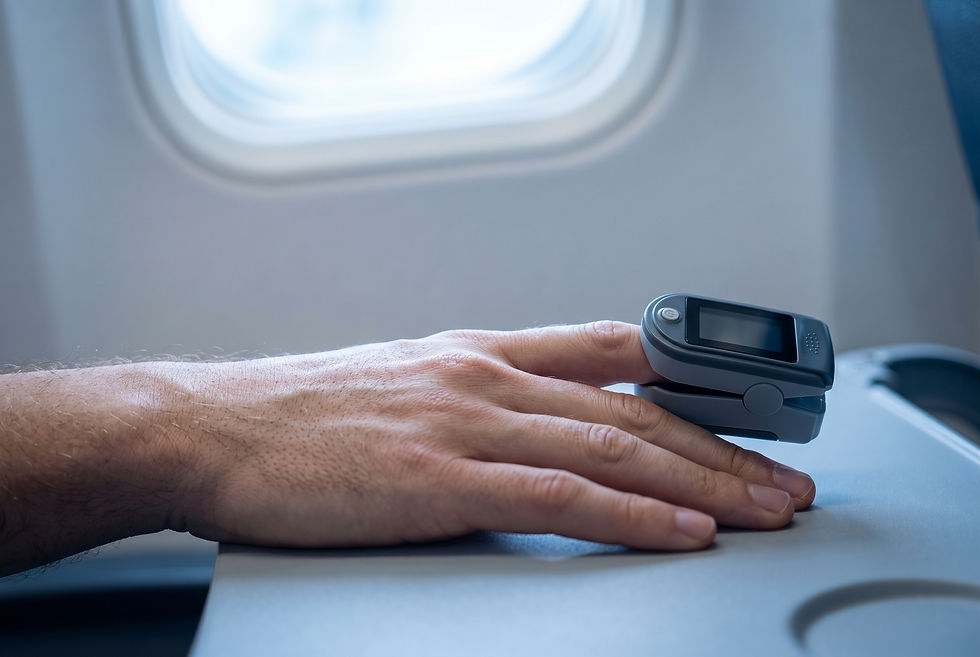
Passengers are therefore also exposed to hypobaric hypoxia, and pulse oximetry confirms that oxygen saturation falls at cruising altitude (Humphreys et al., 2005). Differences in muscular discomfort and fatigue become marked after two to four hours of the decompression to 8,000 feet that most commercial air travel involves. There is thus a large body of data on inflammation and air travel that has been largely overlooked.
A Test in the Field
A recent match provided a large-scale test of this idea. The Rams decided to travel right before the game and to manage only the circadian component, keeping their players on their home circadian rhythm. The 49ers decided to travel early, used a set of countermeasures against flight inflammation, and used our Flykitt product. The first half was a very close game, 10-7. That is what one would expect from a team that has undergone a substantial physiological insult: the players go into half-time after the adrenaline of the first half, and then the effect of the insult becomes apparent. I was not surprised to see the Rams underperform markedly in the second half. We estimate that by not addressing flight inflammation and flight stress they had a poor second half and lost the game.
Mitigating Flight-Induced Stress
We also have data from Inter Miami showing increased oxidative stress with travel and the accompanying inflammation. From the diving literature we know that oral antioxidants can manage some of these effects. We also know that endogenous protective systems can be activated, such as the NRF2 pathway, a group of protective genes that can be switched on. Exercise activates these pathways (Done and Traustadóttir, 2016), as does sauna (Kolb, Martin and Kempf, 2025).
In our research, avoiding a pro-inflammatory diet helps: not too much sugar, not too much carbohydrate and not too much salt. Meals on aeroplanes contain a lot of salt (Wallace et al., 1987), partly for preservation and partly because taste buds work less well at altitude (Burdack-Freitag et al., 2011; Rahne et al., 2018), so more salt is added to make the food taste better. In people who are more salt-sensitive, this can lead to more inflammation (Yi et al., 2015).
Sleep is a major challenge when travelling. People often sleep less the night before because they have to reach the airport early, and insufficient sleep has direct inflammatory effects (Mullington et al., 2010; Faraut et al., 2012), so sleeping well before travel, and ideally after it, is valuable. The other piece is nervous system management. Large or chronic activation of the sympathetic nervous system, the fight-or-flight system, can cause more inflammation and activate the immune system. One of the underappreciated causes of stress on flights is the high noise level (Münzel et al., 2018), and we recommend earplugs. We recommend managing the noise environment as well as the light environment, which also relates to sleep through the control of blue light exposure and of the circadian rhythm during the trip.
Polyphenols, Tart Cherry and Omega-3 Fatty Acids
Oral antioxidants, as I mentioned from the dive study, also help here, and a number of compounds activate the protective enzyme systems. I have a particular interest in polyphenol biology. Polyphenols are the pigments that make blueberries blue and raspberries red, and most people describe them as the antioxidants in fruits and vegetables, but they do not work in the body in the way that is usually supposed. In a test tube they do neutralise free radicals. In the body, however, they are no more likely to interact with free radicals than the other proteins and lipids naturally present in cells, and nothing taken through the diet will reach a very high concentration inside cells. Proteins and other molecules are present at concentrations thousands of times higher, so perhaps one in 10,000 free radicals is detoxified by a polyphenol (Forman, Davies and Ursini, 2014).
What they do is activate genetic switches in what has come to be called a para-hormetic way: they signal hormesis, a beneficial stress on the system, to the body, and activate genetic circuits such as NRF2 that prompt cells to produce detoxifying enzymes. When immune cells are dosed with polyphenols before an inflammatory insult, the inflammatory response afterwards is smaller, because the cells are better protected and there is less amplification of the insult (Luo et al., 2019; Jiang et al., 2020). Tart cherry juice, which is very high in anthocyanins and polyphenols in general, has been associated with faster recovery and lower inflammation (Howatson et al., 2010; Bell et al., 2014). Omega-3 fatty acids are also of interest, because they provide the precursors for the resolvins and protectins that the body uses to switch off, or resolve, inflammation (Serhan, 2014).

Sleep Amount and Timing for Jet Lag
It is difficult to obtain a full amount of sleep and to adapt to a new time zone at the same time. When a team travels between the United States and Europe, Asia or Australia, in either direction, with a time change of five to twelve hours, a person who sleeps eight hours will usually either stay up too late to fall asleep that night or go to bed too early and sleep poorly, which further disrupts them (Waterhouse et al., 2007). What is needed is enough sleep to perform the next day, but not so much that the person cannot fall asleep that night. With the Flykitt app, the user enters flights and sleep schedule and answers questions about the body, and the app provides the optimal times to take different supplements, to use blue-light-blocking glasses and to sleep, including the optimal amount of sleep. People almost never make the right choice naturally, and what seems right at face value is not what optimises the outcome. Performance coaches and teams sometimes ask whether we are telling them to sleep only four and a half hours when they could sleep longer. I ask them to trust me, and afterwards they report that they had no jet lag on arrival and performed at full capacity the next day. Tens of thousands of people use Flykitt every year, and one often needs to sleep at different times, or for less time, than one thinks.
Legs, Compression and Firefly
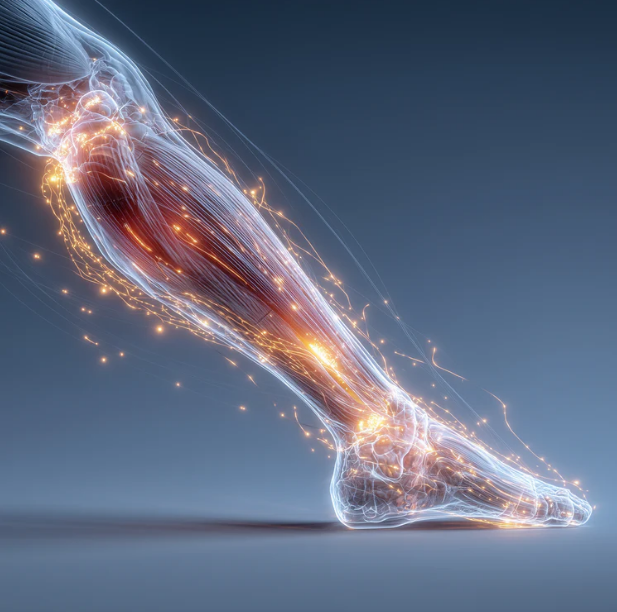
We also use compression socks or Firefly. These devices increase the blood flow out of the legs. Someone who sits on a couch all day probably does not have swollen legs in the way that happens on a plane, where the inflammatory response causes more blood vessel leakage and a pooling of fluid in the legs, which we know can decrease performance and recovery. Compression socks (Clarke et al., 2021) and Firefly (Tucker et al., 2010) help to counter that, while the rest of the protocol addresses the cause of the inflammation and aims to prevent it from developing.
Shifting the Circadian Rhythm
The third part of the Flykitt protocol is shifting the circadian rhythm, for which we use a variety of supplements. Melatonin can help to shift the circadian rhythm backwards (Herxheimer and Petrie, 2002; Chan, Wang and Allman-Farinelli, 2021), and there are also supplements, such as methylated B vitamins, that can shift it forwards (Hashimoto et al., 1996), but only if they are given at the right time. It is not only a question of what to take but also of the timing and intervals of the doses. We have done a great deal of work on this and have optimised it through Flykitt, and this is why we observe such strong effects in our users.
The circadian component is just as important as flight inflammation, and I am not saying that jet lag is only flight inflammation. What we found is that the way to address jet lag is to block the flight inflammation and then to use all the other tools, which are light, meal timing, sleep timing and amount, and supplements at the right times. A person's circadian rhythm can then be shifted overnight, but not without stopping the flight inflammation first. The key is to treat both as equally important.
The Inter Miami Programme
We ran a programme with US MLS team Inter Miami FC. The team was divided into three groups: one with no support, one using some basic supplements and one using Flykitt. We were not the team that evaluated the symptoms, so in that sense the evaluation was blinded from us. Their performance staff evaluated the players for incidents of aches, soreness, fever, sore throat, headache and gastrointestinal disruption, and there were 94% fewer incidents of these symptoms in the players who used the Flykitt plan than in the group with no support. The team started in Florida and went to El Salvador, back to Florida, then to the Middle East, Hong Kong and Japan, and all the way back around. That was five matches across 22 days, four cities, fully around the world and 24 time zones, and the players were healthier and felt better when they played.
This matters beyond performance in the game. Inflammation and injury are closely linked, so we need to ensure that players are not at higher risk of injury from air travel, and that their injuries and small knocks recover faster.
Practical Applications for Teams
We test the supplements for banned substances, and we have used the Informed Sport laboratory to show that they are free of them, so they are suitable for athletes. Performance staff sometimes download the app, which gives reminders and makes the protocol easy to follow, and coordinate the programme for the team. Teams sometimes want a custom programme, and we consult not only on the timing of the different events but also on which planes to take. Boeing 787s and Airbus A350s pressurise the cabin to a lower cabin altitude, about 6,000 feet (Muhm et al., 2007), and I strongly recommend using those aircraft when possible. Bleed air is a further consideration: in all commercial airliners except the 787, cabin air enters through the engines, and there is some concern that other toxins might be drawn in with it (Shehadi, Jones and Hosni, 2016). The 787 is therefore the best choice.
---
Frequently Asked Questions
Q: What is flight inflammation, and how does it differ from jet lag?
Flight inflammation is a syndrome of systemic inflammation associated with the pressure change and hypobaric hypoxia of air travel. It is distinct from the circadian disruption caused by a time change, although the two occur together and are equally important. What we found is that the way to address jet lag is to block the flight inflammation and then to use light, meal timing, sleep timing and amount, and supplements at the right times. A person's circadian rhythm can then be shifted overnight, but not without stopping the flight inflammation first.
Q: Is the physiological stress of flying simply the result of sitting for a long time?
The evidence indicates that it is not. In a crossover study, clotting activation appeared in 17% of volunteers after an eight-hour flight, whereas an eight-hour movie marathon did not lead to more blood clotting (Schreijer et al., 2006). Stress, infection and air quality did not explain the physiology the researchers observed, and the effect appears to be limited to the pressure environment, with hypoxia triggering systemic inflammation and platelet activation (Schreijer et al., 2010). Most commercial aircraft are pressurised to the equivalent of about 8,000 feet, so a passenger breathes about 26% less oxygen.
Q: What can athletes and teams do to reduce flight inflammation?
The approach has several parts. Avoiding too much sugar, carbohydrate and salt helps, because aeroplane meals contain a lot of salt, and in salt-sensitive people this can lead to more inflammation. Sleeping well before travel and ideally after it, and managing the noise and light environment, for instance with earplugs, are both valuable. Oral antioxidants such as polyphenols, tart cherry juice and omega-3 fatty acids also help, and compression socks or Firefly counter the pooling of fluid in the legs. Where possible, Boeing 787s and Airbus A350s are preferable, because they maintain a cabin altitude of about 6,000 feet.
Q: How do polyphenols act in the body if they do not scavenge free radicals?
In a test tube polyphenols do neutralise free radicals, but in the body they are no more likely to interact with free radicals than the proteins and lipids already present in cells, and nothing taken through the diet reaches a very high concentration inside cells. Perhaps one in 10,000 free radicals is detoxified by a polyphenol (Forman, Davies and Ursini, 2014). What they do is activate genetic switches in a para-hormetic way: they signal a beneficial stress to the body and activate circuits such as NRF2, which prompt cells to produce detoxifying enzymes. When immune cells are dosed with polyphenols before an inflammatory insult, the inflammatory response afterwards is smaller, because the cells are better protected (Luo et al., 2019; Jiang et al., 2020).
Q: Why does managing jet lag sometimes involve sleeping less than usual?
When the time change is large, between five and twelve hours, a person who sleeps eight hours will either stay up too late to fall asleep that night or go to bed too early and sleep poorly (Waterhouse et al., 2007). What is needed is enough sleep to perform the next day, but not so much that the person cannot fall asleep that night. People almost never make this choice naturally, and what seems right at face value is not what optimises the outcome. One often needs to sleep at different times, or for less time, than one thinks, and the timing of supplements such as melatonin, which can shift the rhythm backwards, and methylated B vitamins, which can shift it forwards, matters as much as what is taken.
References
Bell, P.G., Walshe, I.H., Davison, G.W., Stevenson, E.J. and Howatson, G. (2014) 'Montmorency cherries reduce the oxidative stress and inflammatory responses to repeated days high-intensity stochastic cycling', Nutrients, 6(2), pp. 829-843. doi:10.3390/nu6020829.
Burdack-Freitag, A., Bullinger, D., Mayer, F. and Breuer, K. (2011) 'Odor and taste perception at normal and low atmospheric pressure in a simulated aircraft cabin', Journal für Verbraucherschutz und Lebensmittelsicherheit, 6(1), pp. 95-109. doi:10.1007/s00003-010-0630-y.
Chan, V., Wang, L. and Allman-Farinelli, M. (2021) 'Efficacy of functional foods, beverages, and supplements claiming to alleviate air travel symptoms: systematic review and meta-analysis', Nutrients, 13(3), 961. doi:10.3390/nu13030961.
Clarke, M.J., Broderick, C., Hopewell, S., Juszczak, E. and Eisinga, A. (2021) 'Compression stockings for preventing deep vein thrombosis in airline passengers', Cochrane Database of Systematic Reviews, (4), CD004002. doi:10.1002/14651858.CD004002.pub4.
Done, A.J. and Traustadóttir, T. (2016) 'Nrf2 mediates redox adaptations to exercise', Redox Biology, 10, pp. 191-199. doi:10.1016/j.redox.2016.10.003.
Faraut, B., Boudjeltia, K.Z., Vanhamme, L. and Kerkhofs, M. (2012) 'Immune, inflammatory and cardiovascular consequences of sleep restriction and recovery', Sleep Medicine Reviews, 16(2), pp. 137-149. doi:10.1016/j.smrv.2011.05.001.
Forman, H.J., Davies, K.J.A. and Ursini, F. (2014) 'How do nutritional antioxidants really work: nucleophilic tone and para-hormesis versus free radical scavenging in vivo', Free Radical Biology and Medicine, 66, pp. 24-35. doi:10.1016/j.freeradbiomed.2013.05.045.
Hartmann, G., Tschöp, M., Fischer, R., Bidlingmaier, C., Riepl, R., Tschöp, K., Hautmann, H., Endres, S. and Toepfer, M. (2000) 'High altitude increases circulating interleukin-6, interleukin-1 receptor antagonist and C-reactive protein', Cytokine, 12(3), pp. 246-252. doi:10.1006/cyto.1999.0533.
Hashimoto, S., Kohsaka, M., Morita, N., Fukuda, N., Honma, S. and Honma, K. (1996) 'Vitamin B12 enhances the phase-response of circadian melatonin rhythm to a single bright light exposure in humans', Neuroscience Letters, 220(2), pp. 129-132. doi:10.1016/s0304-3940(96)13247-x.
Herxheimer, A. and Petrie, K.J. (2002) 'Melatonin for the prevention and treatment of jet lag', Cochrane Database of Systematic Reviews, (2), CD001520. doi:10.1002/14651858.CD001520.
Howatson, G., McHugh, M.P., Hill, J.A., Brouner, J., Jewell, A.P., van Someren, K.A., Shave, R.E. and Howatson, S.A. (2010) 'Influence of tart cherry juice on indices of recovery following marathon running', Scandinavian Journal of Medicine and Science in Sports, 20(6), pp. 843-852. doi:10.1111/j.1600-0838.2009.01005.x.
Humphreys, S., Deyermond, R., Bali, I., Stevenson, M. and Fee, J.P.H. (2005) 'The effect of high altitude commercial air travel on oxygen saturation', Anaesthesia, 60(5), pp. 458-460. doi:10.1111/j.1365-2044.2005.04124.x.
Jiang, T., Zhou, J., Liu, W., Tao, W., He, J., Jin, W., Guo, H., Yang, N. and Li, Y. (2020) 'The anti-inflammatory potential of protein-bound anthocyanin compounds from purple sweet potato in LPS-induced RAW264.7 macrophages', Food Research International, 137, 109647. doi:10.1016/j.foodres.2020.109647.
Kolb, H., Martin, S. and Kempf, K. (2025) 'Traditional health practices may promote Nrf2 activation similar to exercise', International Journal of Molecular Sciences, 26(23), 11546. doi:10.3390/ijms262311546.
Luo, M., Tian, R., Yang, Z., Peng, Y.-Y. and Lu, N. (2019) 'Quercetin suppressed NADPH oxidase-derived oxidative stress via heme oxygenase-1 induction in macrophages', Archives of Biochemistry and Biophysics, 671, pp. 69-76. doi:10.1016/j.abb.2019.06.007.
Muhm, J.M., Rock, P.B., McMullin, D.L., Jones, S.P., Lu, I.L., Eilers, K.D., Space, D.R. and McMullen, A. (2007) 'Effect of aircraft-cabin altitude on passenger discomfort', New England Journal of Medicine, 357(1), pp. 18-27. doi:10.1056/NEJMoa062770.
Mullington, J.M., Simpson, N.S., Meier-Ewert, H.K. and Haack, M. (2010) 'Sleep loss and inflammation', Best Practice and Research Clinical Endocrinology and Metabolism, 24(5), pp. 775-784. doi:10.1016/j.beem.2010.08.014.
Münzel, T., Schmidt, F.P., Steven, S., Herzog, J., Daiber, A. and Sørensen, M. (2018) 'Environmental noise and the cardiovascular system', Journal of the American College of Cardiology, 71(6), pp. 688-697. doi:10.1016/j.jacc.2017.12.015.
Rahne, T., Köppke, R., Nehring, M., Plontke, S.K. and Fischer, H.-G. (2018) 'Does ambient noise or hypobaric atmosphere influence olfactory and gustatory function?', PLoS ONE, 13(1), e0190837. doi:10.1371/journal.pone.0190837.
Schreijer, A.J.M., Cannegieter, S.C., Meijers, J.C.M., Middeldorp, S., Büller, H.R. and Rosendaal, F.R. (2006) 'Activation of coagulation system during air travel: a crossover study', The Lancet, 367(9513), pp. 832-838. doi:10.1016/S0140-6736(06)68339-6.
Schreijer, A.J.M., Hoylaerts, M.F., Meijers, J.C.M., Lijnen, H.R., Middeldorp, S., Büller, H.R., Reitsma, P.H., Rosendaal, F.R. and Cannegieter, S.C. (2010) 'Explanations for coagulation activation after air travel', Journal of Thrombosis and Haemostasis, 8(5), pp. 971-978. doi:10.1111/j.1538-7836.2010.03819.x.
Serhan, C.N. (2014) 'Pro-resolving lipid mediators are leads for resolution physiology', Nature, 510(7503), pp. 92-101. doi:10.1038/nature13479.
Shehadi, M., Jones, B. and Hosni, M. (2016) 'Characterization of the frequency and nature of bleed air contamination events in commercial aircraft', Indoor Air, 26(3), pp. 478-488. doi:10.1111/ina.12211.
Thom, S.R., Yang, M., Bhopale, V.M., Huang, S. and Milovanova, T.N. (2011) 'Microparticles initiate decompression-induced neutrophil activation and subsequent vascular injuries', Journal of Applied Physiology, 110(2), pp. 340-351. doi:10.1152/japplphysiol.00811.2010.
Tucker, A.T., Maass, A., Bain, D.S., Chen, L.-H., Azzam, M., Dawson, H. and Johnston, A. (2010) 'Augmentation of venous, arterial and microvascular blood supply in the leg by isometric neuromuscular stimulation via the peroneal nerve', International Journal of Angiology, 19(1), pp. e31-e37. doi:10.1055/s-0031-1278361.
Wallace, S., Wellman, N.S., Dierkes, K.E. and Johnson, P.M. (1987) 'Discretionary salt use in airline meal service', Journal of the American Dietetic Association, 87(2), pp. 176-179.
Waterhouse, J., Reilly, T., Atkinson, G. and Edwards, B. (2007) 'Jet lag: trends and coping strategies', The Lancet, 369(9567), pp. 1117-1129. doi:10.1016/S0140-6736(07)60529-7.
Yang, M., Bhopale, V.M. and Thom, S.R. (2015) 'Ascorbic acid abrogates microparticle generation and vascular injuries associated with high-pressure exposure', Journal of Applied Physiology, 119(1), pp. 77-82. doi:10.1152/japplphysiol.00183.2015.
Yang, M., Milovanova, T.N., Bogush, M., Uzun, G., Bhopale, V.M. and Thom, S.R. (2012) 'Microparticle enlargement and altered surface proteins after air decompression are associated with inflammatory vascular injuries', Journal of Applied Physiology, 112(1), pp. 204-211. doi:10.1152/japplphysiol.00953.2011.
Yi, B., Titze, J., Rykova, M., Feuerecker, M., Vassilieva, G., Nichiporuk, I., Schelling, G., Morukov, B. and Choukèr, A. (2015) 'Effects of dietary salt levels on monocytic cells and immune responses in healthy human subjects: a longitudinal study', Translational Research, 166(1), pp. 103-110. doi:10.1016/j.trsl.2014.11.007.

Andrew is the current Founder & CEO of FlyKitt. He is also the founder and former CEO of Fount. Fount designs the most sophisticated health and performance tools in the world and has developed solutions to challenges from jet lag to PMS.
Previously, Andrew led human performance and biotech strategy efforts for the U.S. military, from running R&D strategy efforts to getting warfighters ready to deploy. This background has made him a trusted adviser to pro sports teams, leading corporations from tech to finance, and world class scientific institutions.


Comments